
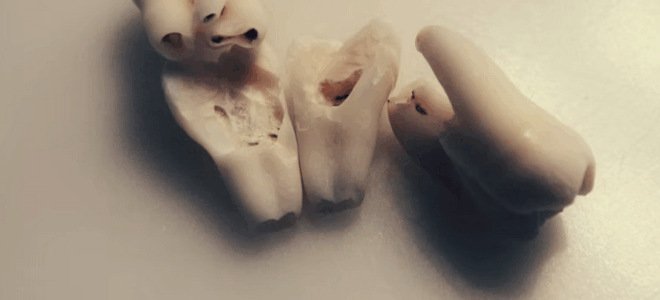
When most people think of cavities, they picture toothaches, sensitivity, or that cringe-worthy trip to the dentist. But what if we told you that many cavities form quietly—with no pain, no warning signs, and no obvious symptoms? That’s the scary part about silent tooth decay: it’s sneaky, and by the time you notice it, serious damage could already be done.
Your mouth might seem fine on the surface, but beneath that smile, decay could be brewing. Let’s dive into how this hidden threat works, why it happens, and what you can do to catch it before it catches you.
Cavities Don’t Always Hurt

One of the biggest myths about cavities is that you’ll feel them right away. In reality, tooth decay can start silently, attacking the enamel and dentin without causing any discomfort. Pain usually only sets in once the decay gets close to the nerve. By then, what could have been treated with a simple filling may require a root canal—or worse, an extraction. So just because everything feels fine doesn’t mean all is well.
The Early Signs Are Easy to Miss
Most of us don’t examine our teeth closely in the mirror every day, and early-stage cavities are often tiny, pale spots or slight discolorations. They’re easy to overlook, especially if they’re between teeth or in the back of your mouth. Without regular dental checkups, these signs can go unnoticed for months, even years, allowing decay to progress in silence.
Sugar Isn’t the Only Villain

Yes, sugar is a major culprit in tooth decay, but it’s not acting alone. Acidic drinks like soda, fruit juice, and even some sports drinks can erode enamel, making your teeth more vulnerable. Combine that with poor brushing habits or skipped flossing, and you’ve got the perfect storm for cavities to form. Even “healthy” snacks like dried fruit or granola bars can stick to teeth and feed harmful bacteria.
Mouth Bacteria Work Overtime
Your mouth is home to billions of bacteria. While some are helpful, others feed on leftover food particles and produce acid that wears away at your enamel. These bacteria don’t take breaks—they’re constantly active, especially if you’re not brushing and flossing properly. Silent tooth decay often starts in hard-to-reach areas where plaque builds up unnoticed.
Some People Are Just More Prone

It’s not fair, but some folks are simply more cavity-prone than others. Genetics, saliva composition, and even medications that cause dry mouth can increase your risk. Dry mouth is a big deal because saliva helps neutralize acids and wash away bacteria. Without enough of it, your teeth are left unprotected and more vulnerable to silent decay.
Dental Visits Are Your Best Defense
Let’s be honest—nobody loves going to the dentist. But regular checkups and cleanings are your number one weapon against silent cavities. Dentists use tools like X-rays and digital imaging to spot decay you can’t see or feel. Catching it early can mean the difference between a small filling and major dental work. Skipping those visits might feel harmless now, but it could lead to big problems later.
Tooth decay doesn’t always announce itself with a scream—it often starts as a whisper. Silent cavities are real, and they can cause major damage if left undetected. The good news? They’re preventable. Stay consistent with your brushing and flossing, be mindful of what you eat and drink, and most importantly, don’t skip those dental visits. Your mouth might not be shouting for help, but that doesn’t mean it doesn’t need it. Catching tooth decay early is the key to keeping your smile healthy and your mouth from becoming a ticking time bomb.