

How you start your morning can quietly shape the rest of your day—and over time, it can even influence how gracefully you age. Healthy aging isn’t just about genetics or expensive treatments. It’s also about small, consistent habits that support your body and mind every single day. The good news is that you don’t need a complicated wellness routine or hours of free time. A few intentional morning habits can help improve energy, support mobility, and keep your mind sharp as the years go by. The key is consistency, not perfection.
Hydrating First Thing in the Morning
After several hours of sleep, your body naturally wakes up in a mildly dehydrated state. Drinking water in the morning helps kick-start your metabolism and supports your organs after rest. It’s a simple habit, but it plays an important role in overall wellness. Proper hydration can support skin elasticity, digestion, and even cognitive function. Many people underestimate how much better they feel when they begin the day with a glass of water instead of coffee or tea first. Over time, this small routine can contribute to healthier-looking skin and more stable energy levels throughout the day.
Gentle Movement to Wake Up the Body
You don’t need an intense workout to support healthy aging in the morning. Even light movement like stretching, walking, or simple mobility exercises can help keep joints flexible and muscles active. As we age, staying physically mobile becomes increasingly important. Morning movement helps reduce stiffness and improve circulation, which supports long-term joint health. It also sends oxygen to the brain, helping you feel more alert and focused without relying solely on caffeine. The goal isn’t to push your body hard first thing in the morning, but to gently wake it up and encourage long-term flexibility and strength.
Going Out and Getting Natural Sunlight Early in the Day

Exposure to natural light in the morning plays a major role in regulating your body’s internal clock. This helps improve sleep quality at night, which is closely tied to healthy aging. Sunlight also supports vitamin D production, which is important for bone health, immunity, and mood regulation. Even just a few minutes outside in the morning can help signal to your body that it’s time to be awake and active. People who get regular morning sunlight often experience better sleep patterns, improved energy, and a more balanced mood over time.
Eating a Balanced Breakfast
A nourishing breakfast helps stabilize blood sugar levels and provides the energy your body needs to function well throughout the day. Skipping breakfast or relying on sugary options can lead to energy crashes and cravings later on. A balanced morning meal that includes protein, healthy fats, and fiber can support muscle maintenance and steady energy release. These factors become especially important as the body ages and metabolism naturally slows down. You don’t need anything fancy—simple meals like eggs, yogurt, fruit, or oats can provide strong nutritional support when eaten consistently.
Practicing Mental Calm or Mindfulness
Stress can accelerate the aging process both physically and mentally. Taking a few minutes in the morning to slow down your thoughts can make a big difference over time. This doesn’t have to involve complicated meditation practices. It can be as simple as sitting quietly with your thoughts, focusing on your breathing, or setting intentions for the day ahead. These small moments of calm help reduce stress hormones and promote emotional balance. Over time, managing stress effectively can support heart health, improve sleep, and help maintain cognitive sharpness.
Keeping a Consistent Wake-Up Routine
One of the most underrated habits for healthy aging is consistency. Waking up at roughly the same time each day helps regulate your body’s natural rhythms, including sleep, digestion, and energy levels. Irregular sleep schedules can confuse your internal clock, leading to fatigue and slower recovery over time. A steady wake-up routine helps your body function more efficiently and supports better overall health. Even on weekends, maintaining a similar schedule can help keep your system balanced and stable.
Healthy aging doesn’t come from dramatic lifestyle changes or expensive routines. Instead, it’s built from small, steady habits practiced every morning. Hydrating, moving gently, getting sunlight, eating well, managing stress, and keeping a consistent routine all work together to support long-term well-being.
















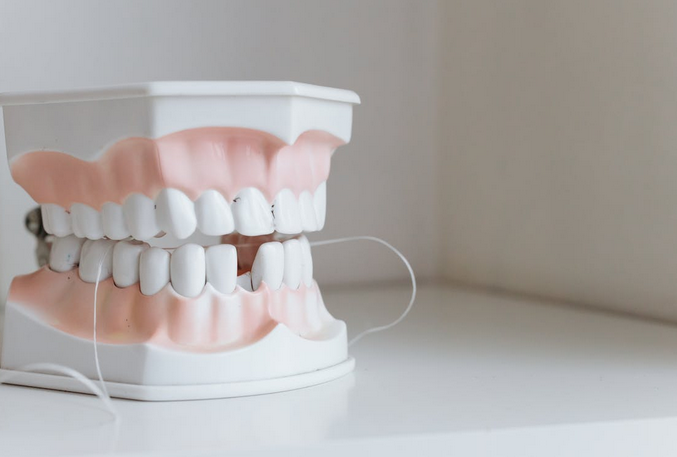
 When it comes to dental implants, there are certain risks and complications that patients need to be aware of. One such risk is nerve damage. Nerves in the jaw can sometimes be damaged during the implant placement process. Nerve damage can result in various symptoms, including numbness or tingling in the lips, tongue, or chin area. In some cases, patients may also experience difficulty speaking or eating properly due to the loss of sensation.

 It’s crucial to follow the keto diet exactly because numerous

 When fixing crooked
 Men are heavily dependent on testosterone, and as men get older, their testosterone levels begin to decline. This can lead to a whole host of health problems, including weight gain, depression, anxiety, low libido, and erectile dysfunction. If you think your hormone levels may be off, make an appointment with your doctor and check them out. You can get the best metabolism booster that you can try to help improve your hormone levels, so don’t wait and get on it.
 One of the best things you can do for your health is to make
  Mental health is just as important as physical health, and yet it’s often overlooked. If you’re struggling with your mental health, make an appointment with your doctor or mental health professional. There are a number of resources available to help you get the help you need, so don’t hesitate to reach out for help.
 One of the most common reasons why you’re not losing weight is that you’re not getting enough sleep. When you don’t get enough sleep, your body doesn’t have the time it needs to recover from your workouts and repair itself. This can lead to weight gain, as well as other health problems.
 Another reason you may not be losing weight is that you’re not drinking enough water. Water is essential for many processes in the body, including fat metabolism. When you don’t drink enough water, your body can’t function properly and you may start to gain weight. To avoid this, make sure you’re drinking eight glasses of water per day. You can also try adding a few slices of lemon or lime to your water for an added boost.
 If you struggle to maintain your muscle mass or build new muscle, low testosterone could be the culprit. Testosterone is responsible for helping to build and preserve muscle tissue. So, if your levels are low, you may experience a decrease in muscle mass.
 Are you feeling tired all the time? Low testosterone levels could be to blame. Testosterone is responsible for regulating energy levels. So, when levels are low, you may feel fatigued more often.